Ellis Schmidt · 8 September 2026
Archaeologists Uncover Prehistoric Tools in Stillwald's Remote Clearings
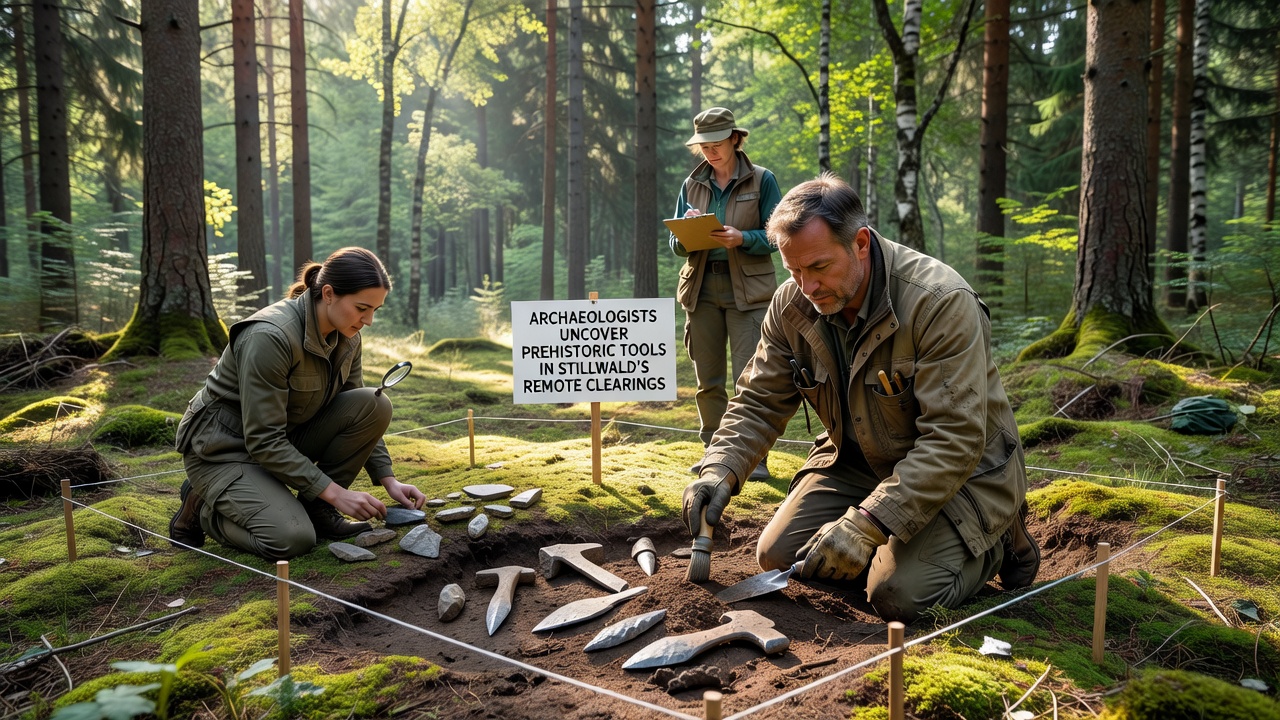
Archaeologists working in the remote clearings of Stillwald forest have brought to light a collection of prehistoric tools that date back thousands of years, and the findings add new layers to understanding early human activity in the region. Teams from multiple institutions began systematic surveys in early 2025, yet the most significant recoveries occurred during the September 2026 field season when heavy rains exposed previously hidden deposits along the forest edges. Researchers documented stone axes, flint blades, and bone implements scattered across several open areas that remain difficult to access even today.
Discovery Details and Site Context
Excavation units placed near the northern clearings revealed stratified layers containing both tools and associated debitage, while soil samples taken from the same pits showed traces of charcoal consistent with controlled burning practices common in prehistoric settlements. The tools themselves display varied craftsmanship, and some examples retain microscopic wear patterns that point to repeated use on wood and hide materials. According to preliminary reports issued by the regional heritage office, the assemblage spans multiple cultural periods, and this range suggests repeated occupation rather than a single event. Observers note that the clearings' open terrain likely attracted groups seeking vantage points or seasonal resources, and the combination of artifacts supports that interpretation without requiring further speculation.
Methods and Documentation Practices
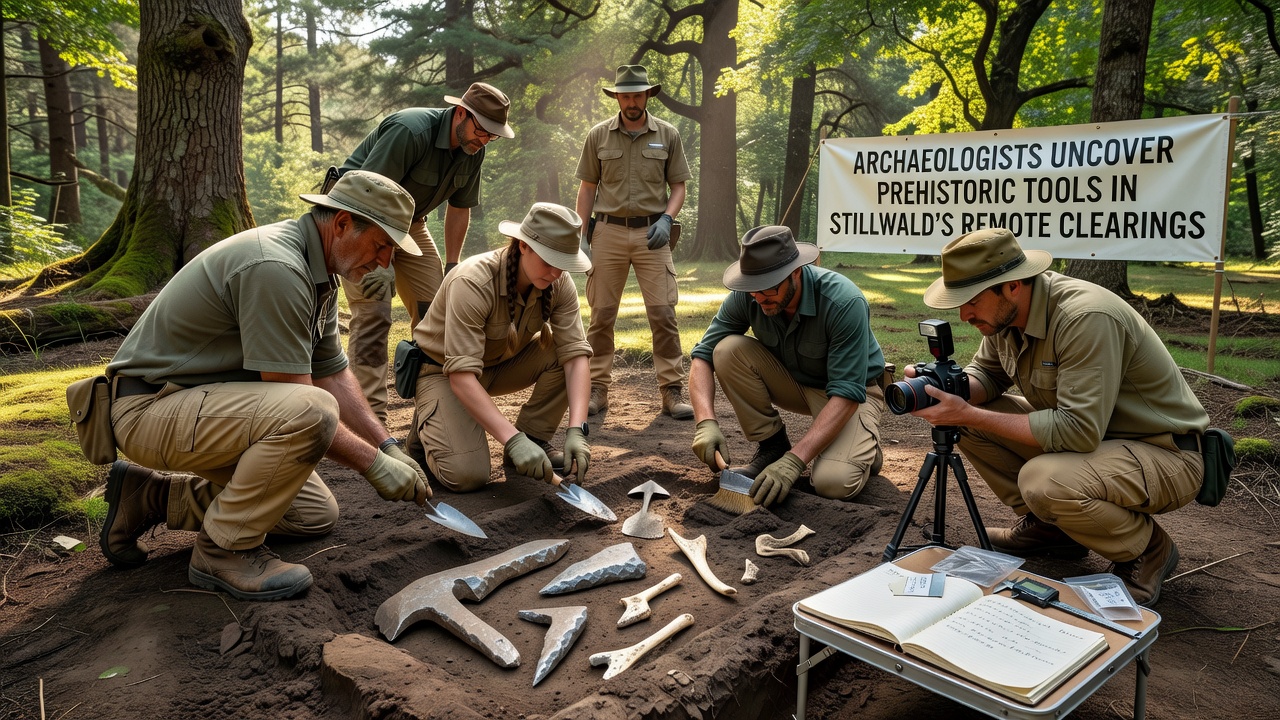
Field crews employed standard grid mapping alongside drone-assisted photogrammetry to record artifact positions before removal, and this approach preserved spatial relationships that later helped reconstruct activity zones within each clearing. Laboratory analysis at cooperating facilities then confirmed raw material sources, and several flint pieces matched outcrops located more than fifty kilometers away, which indicates transport networks already active during the periods represented. Data from the September 2026 season also included pollen records that align with broader European vegetation shifts around the same time, and these records provide environmental context for the tool users' choices. Researchers coordinated with forestry authorities to limit ground disturbance, and access routes were restricted to existing trails to protect surrounding vegetation.
Comparative Findings Across Regions
Similar tool types have appeared at other woodland sites across central Europe, and the Stillwald examples fit within established typologies while offering fresh data from a previously under-examined zone. One study published through the European Association of Archaeologists highlights parallels in manufacturing techniques between the new finds and those recovered from comparable forest-edge locations in neighboring countries. At the same time, a separate project coordinated by Canadian heritage researchers examined long-distance material movement patterns, and their published results show overlapping signatures in raw material sourcing that extend the discussion beyond local boundaries. Those comparisons help place the Stillwald collection within wider prehistoric exchange systems without overstating direct connections.
Ongoing Research and Preservation Measures
Conservation teams have begun stabilizing the most fragile bone tools using reversible adhesives tested in prior woodland excavations, and catalogued items now reside in climate-controlled storage pending further study. Public access to the clearings remains limited under current forestry guidelines, and site monitors conduct periodic checks to prevent unauthorized disturbance. Plans for expanded geophysical surveys are scheduled for spring 2027, and these surveys aim to map subsurface features that may connect the documented tool scatters to larger settlement patterns. Funding for the next phase comes through a combination of national heritage grants and university research allocations, and project leads have published open-access summaries to facilitate collaboration with specialists in adjacent fields.
Conclusion
The prehistoric tools recovered from Stillwald's remote clearings provide concrete evidence of sustained human presence in the area across extended time spans, and continued analysis will refine chronological frameworks while contributing to regional heritage records. Documentation from the September 2026 season has already been integrated into shared databases, and future fieldwork will build directly on these established methods and findings.